Capture
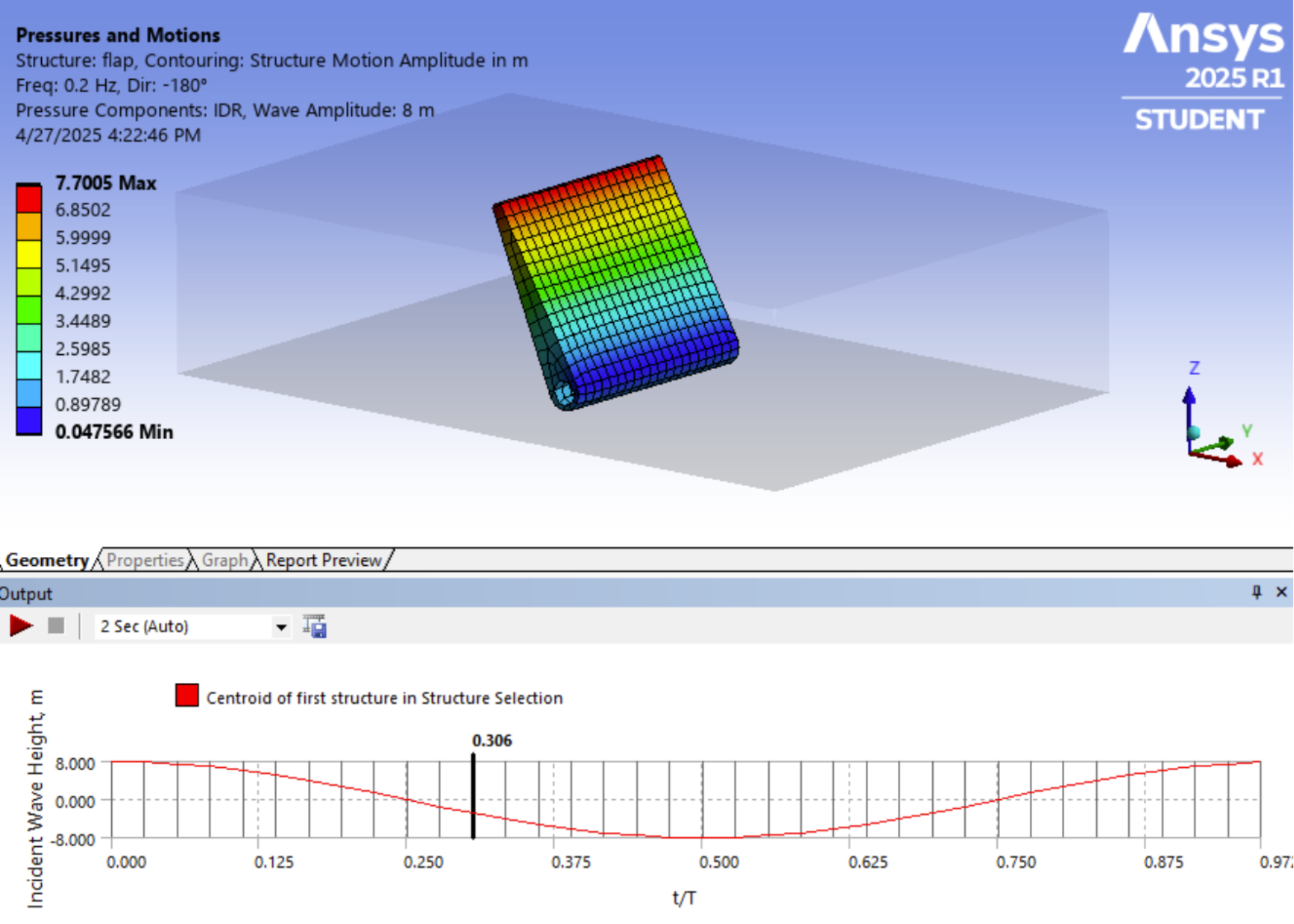
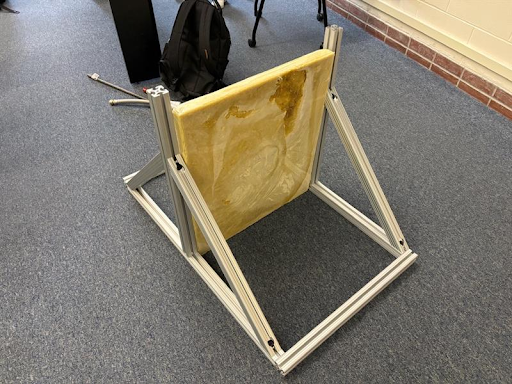
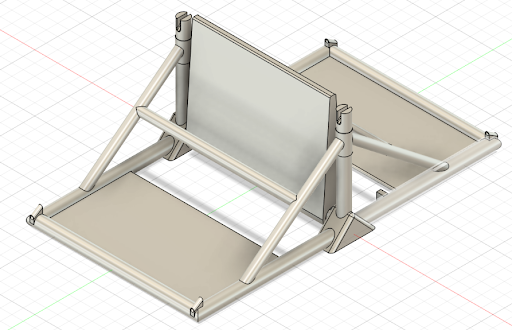
A wave energy converter using a flap to respond to the mechanical motion of incoming ocean waves.
Harnessing the motion of ocean waves to create the pressure needed for reverse osmosis to produce fresh water.
CSalt’s first major project explored how ocean wave energy could be harnessed to power reverse osmosis desalination. The team designed and developed a wave energy converter capable of turning the mechanical energy of ocean waves into the high-pressure flow required for reverse osmosis.
The goal was to produce fresh water without relying on conventional grid-powered systems. By translating wave-driven motion directly into pressure with no necessary conversion to electricity first. The concept eliminated conversion losses and reduced potential failure points.
Students across multiple disciplines developed a system spanning energy capture, high-pressure pumping, and desalination.
A wave energy converter using a flap to respond to the mechanical motion of incoming ocean waves.
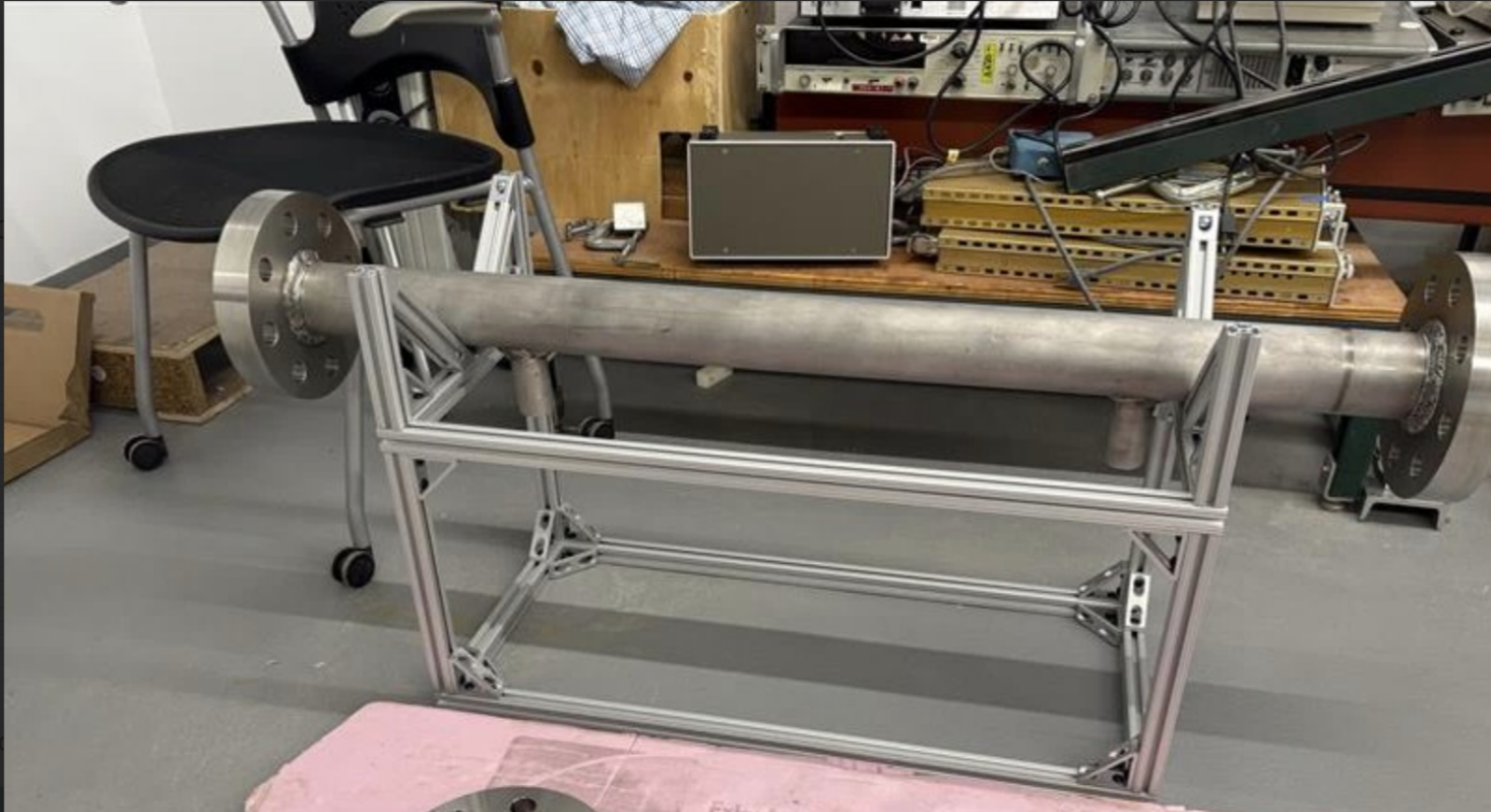
Direct mechanical pressurization converts that movement into high-pressure seawater flow.
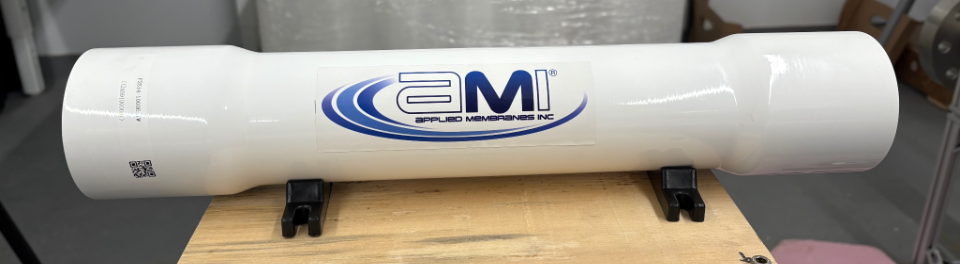
Pressurized water passes through reverse osmosis membranes to produce fresh water.
The team focused on Guam, conducting detailed market and feasibility analysis around the island’s water scarcity challenges and the potential for wave-powered desalination to provide a reliable, sustainable supplement to its freshwater supply.
At full scale, each unit was designed to produce up to 495,000 gallons of fresh water per day. A systemwide deployment of 28 units was scaled to help meet the rise in water demand expected from Guam’s population growth over the next 25 years.
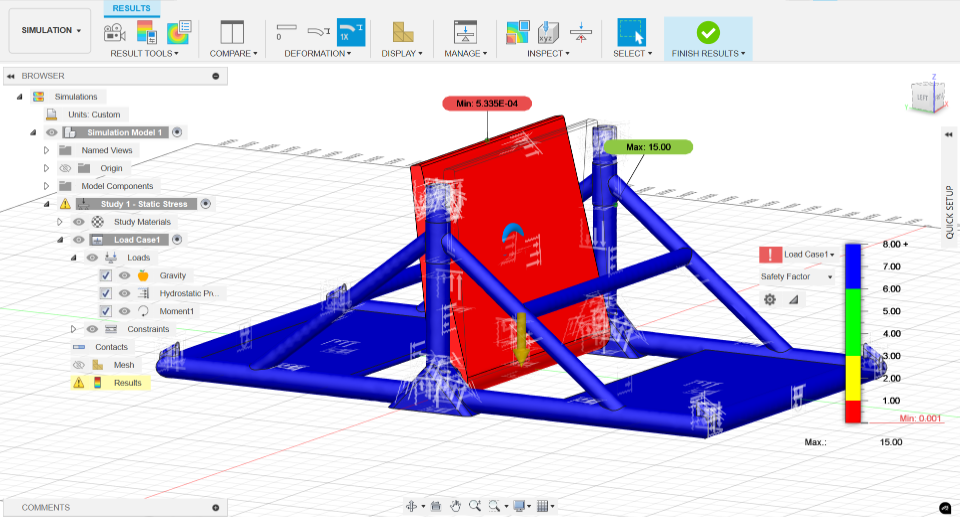
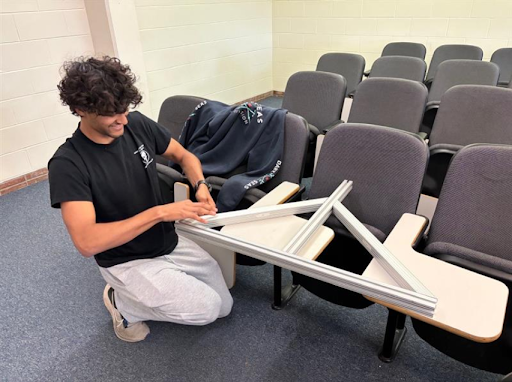
Follow the system from early digital models to fabricated components and the physical prototype.
Through design, experimentation, and testing, the team investigated the feasibility of combining marine energy and desalination into a more sustainable approach to freshwater production. CSalt’s business plan, technical design, and testing work culminated in the award for Best Technical Design at the 2025 Marine Energy Collegiate Competition. Special thanks to our 2025-2026 advisor Prof. Maha Haji and her research group for their guidance and support throughout the project.
← Back to the project timeline